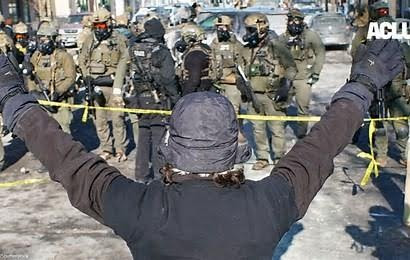
Editor’s Note: Our guest co-author today is Meredith Heneghan, a young St. Paul, MN resident and activist. She is part of our monthly Racial Justice Conversations and shared this report at our March 2026 meeting about the long-term and lingering harm caused by ICE’s actions in Minnesota. The chaos and trauma that our president and his policies are causing across America and the world knows no bounds. This is one painful example. (If you’d like to make a contribution to organizations supporting people who are immigrants in MN, here are links to grass roots organizations in the neighborhoods described below, Powderhornand North Minneapolis.
Since the mid-February drawdown of more than 2,700 ICE agents from the Twin Cities, daily life has quieted. We no longer see ICE vehicles and there’s a lot less whistling and need for street alerts to warn people at risk and their supportive allies to ICE’s presence. However, as you can imagine—and as reported in local coverage—the cost to immigrant individuals, their families, and our community, both financial and otherwise, remains profound.
The Sahan Journal, a nonprofit newsroom dedicated to reporting news for immigrants and communities of color in Minnesota, captures in a February 12 report some of the less obvious suffering and long-term consequences. One story follows “Freddy” (a pseudonym). An immigrant from El Salvador with two work permits, he finished his shift with a landscape contractor and was violently and illegally arrested by ICE agents.
Freddy was taken to a short-term detention center, put in a room with 60 other detainees and spent two nights sleeping either next to a clogged toilet or standing up. He was then moved to the Freeborn County Jail, where he spent nearly a month. He was released without his work papers. He had lost his job and exhausted his savings paying ongoing bills. His life was upended and his progress towards a secure life destroyed by one unwarranted arrest.
Another article in the Minnesota Star Tribune describes additional personal losses, along with an estimated economic impact of $203 million to Minneapolis over 11 weeks.
Meredith adds what she has observed and heard from friends:
“Despite less daily ICE activity, the need for food, rent, and legal assistance remains urgent. Donations to rent relief funds have dropped sharply. A friend who is a Hennepin County public defender told me many people need legal aid but are either (a) detained in Texas, limiting access to Minnesota-based support, or (b) wary of sharing personal information with anything resembling a government agency. The Immigrant Law Center of MN has seen a massive influx of donations—but distributing assistance is difficult when people are afraid to identify themselves.”
Meredith’s friend Jen, who lives in South Minneapolis, shared:
“ In Powderhorn, a diverse neighborhood where I live, the needs have shifted. There are fewer requests for rides, dog walking, and laundry, and some neighbors feel more comfortable being out. What hasn’t changed is the need for groceries and rent support. Many people stopped working for safety reasons, lost their jobs, and now have nothing to return to. March rent didn’t get paid. People are facing eviction.
“Powderhorn had a large GoFundMe account that raised hundreds of thousands of dollars. Those funds are now exhausted, after helping hundreds of families with January and February rent. We currently have a waitlist of over 50 families needing help with March rent.
“Neighbors still request patrols—especially near schools—and want rapid response teams to document suspicious vehicles. People don’t yet feel safe and remain anxious about ICE returning. We’re also supporting families who lost breadwinners to deportation.
A positive is that we’ve built stronger community connections that may continue to help in the future.”
Meredith’s friend Emily from North Minneapolis added:
“It’s been a while since there has been confirmed ICE activity here, which is encouraging. But mutual aid—especially rent and food assistance—remains a major need.
“One indicator I’ve seen is ride support. One person I helped now feels comfortable driving herself; another still does not and relies on me. Safety looks different for everyone.
“I’ve also heard concerns about bounty hunters operating with even less regulation. I don’t know how widespread that is, but it adds another layer of fear.”
These stories offer only a glimpse of the trauma and lasting harm caused by these racist and unjust actions targeting immigrant communities.





0 Comments