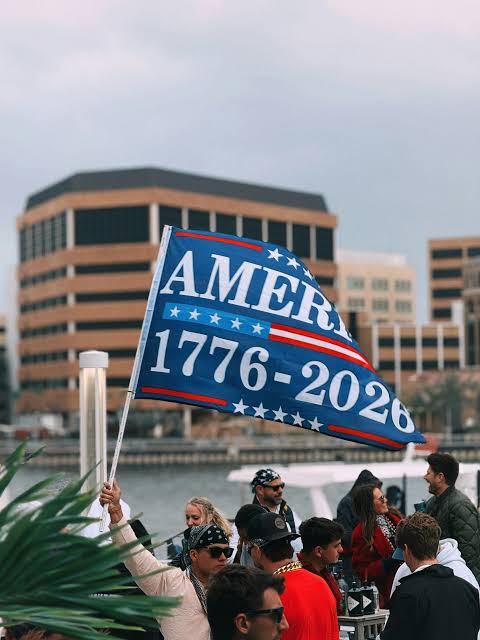
I find myself thinking a lot about the 2026 mid-term elections and what they might mean to local communities and our nation and the world. Today’s post explores some of the questions that I believe will shape these elections.
Tom Adams
See our Resource Pages for additional information on each topic.
I find myself thinking a lot about the 2026 mid-term elections and what they might mean to local communities and our nation and the world. Today’s post explores some of the questions that I believe will shape these elections.
It’s often unclear what sparks curiosity and where it leads. Recently, I found myself wondering about the founders of Netflix—remembering the early days of DVDs arriving by mail—and whether they were still involved.
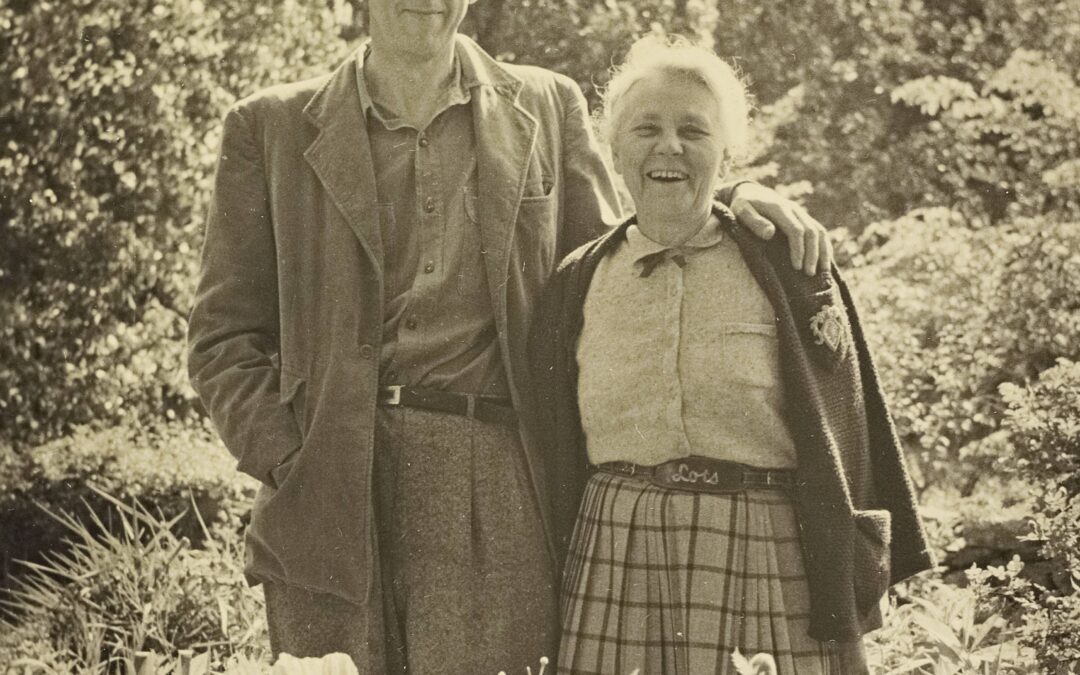
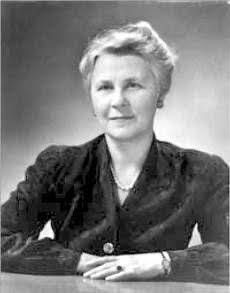
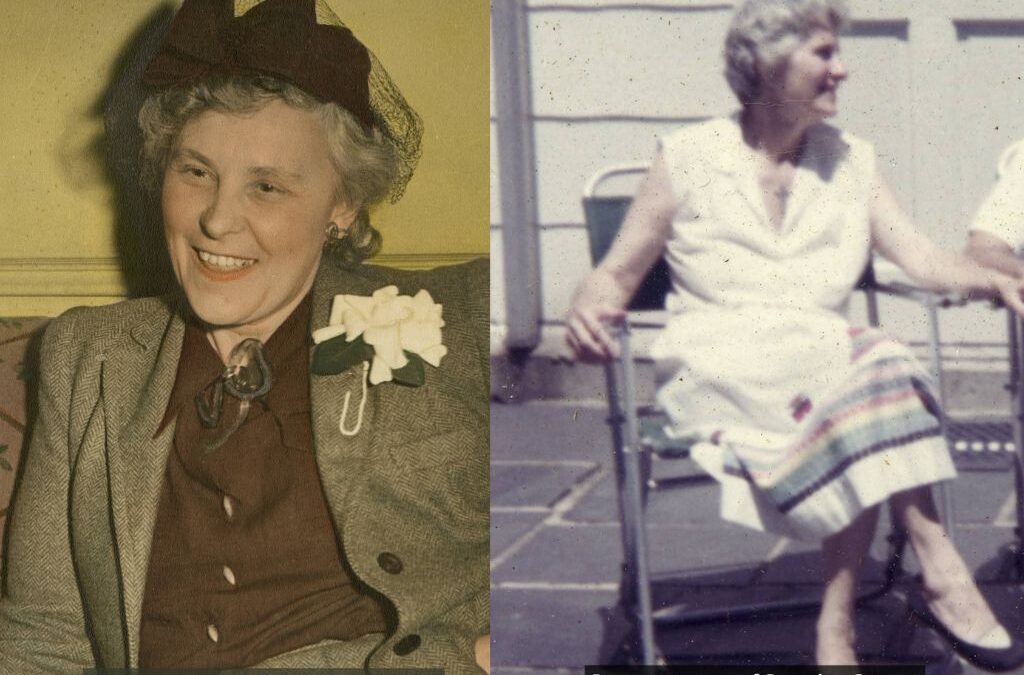
Seventy-five years ago tomorrow, April 22, 1951, Lois Wilson hosted a lunch at her Stepping Stones home for the wives of A.A. members from the U.S. and Canada attending the A.A. General Service Conference in NY, her neighbor and friend Anne Bingham and other wives of local and regional members of “wives’ groups”. This little-known meeting was the first step towards a Clearing House, the precursor of the Al-Anon Family Groups, a world-wide Twelve Step fellowship for families and friends of people with drinking problems.
It’s not hard to see the tensions between a life committed to love and justice for all and one focused on destroying enemies and protecting the few. Easter Sunday 2026 offered one of the clearest pictures of this contradiction. This post is about the importance of play in a world in distress.
A few days ago, I joined other Christians in celebrating Easter. Whether through faith or nature or personal choices, spring is for many a time of hope. Depending of course on where you live, “spring” may begin at different times of the year. Today’s reflections are about the connection between hope and action. This post is in part a response to the challenge in last week’s piece Anchoring Joy by A. Adar Ayira on how joy is a different experience for Black people than white people.
Editor’s Note: Our guest co-author today is Meredith Heneghan, a young St. Paul, MN resident and activist. She is part of our monthly Racial Justice Conversations and shared this report at our March 2026 meeting about the long-term and lingering harm caused by ICE’s...
Today, many in the US and elsewhere pause to honor a Christian saint, St. Patrick. Faith is only part of the robust celebrations. People of all faiths and of none enjoy the parades, the celebrations, and the revelry that go with St. Patrick’s Day, a cultural as well as a religious holiday. My post today reflects on my experience of this special day and how it has helped shape my notions about heroes.
Addictions are America’s most costly and least fully acknowledged health crisis. The direct and indirect costs to the person with the addiction—be it alcohol, drugs, gambling, overeating, technology, or work—and their family are staggering and still not fully quantified in any comprehensive way.
We live in extraordinary times. As Black History Month 2026 comes to a close, I find myself asking: What have I learned? And what commitment do I really have to making the study of Black history a personal priority — and to sharing what I learn, especially with my white friends?
Editor’s Note: The repulsive and abhorrent attack of former President Barack Obama and First Lady Michele Obama posted last week on President Trump’s Truth Social account is just one more indication of the overt racism that is overtaking our nation today. The attacks by ICE, the efforts to manipulate the upcoming election and this obnoxious characterization of the Obamas is a national cry for help. Every attack on freedom and justice must be called out and rebutted. Paying attention to Black History and supporting DEI and school curriculums that tell the truth about America’s history are essential to the push back.