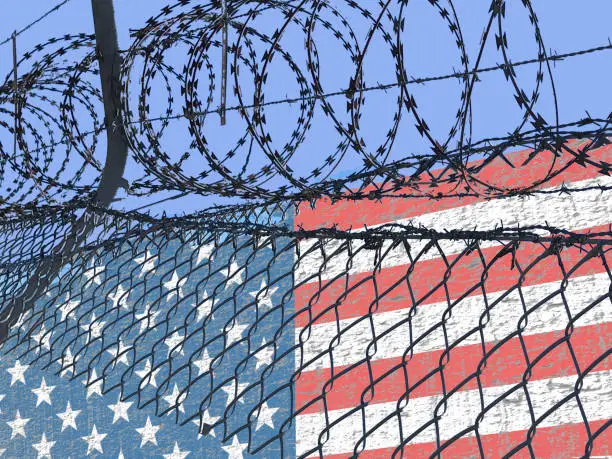
Editor’s Note: This week’s post is part of a series by friend and retired nonprofit executive Greg Cantori. Greg puts our current immigration and refugee policy debates in a larger historical perspective and encourages us all to consider a Plan B.
I’m writing from Dublin, a city that understands the math of motion. It was here that one of the most rapid wholesale migrations in history occurred. Driven by starvation during the potato famine, and met with deafening silence and inaction from England just across the water, the Irish scattered. They fled to New Zealand, Australia, Canada, and the United States. They were nomads created by desperation and hostility from those abusing their power, and they were often treated poorly by their new homelands.
But desperation isn’t always an empty stomach. Sometimes it’s engineered by evil and greed.
Before the laws and the bans and the camps, we have to start at the bottom. The very bottom. Millions were dragged from Africa, chained in the dark for months, and sold not as people, but as property. Slavery was the foundation of our American economy, built by people who were never called immigrants because they were never given the dignity of a choice.
We call them different names depending on their time frame—expats, immigrants, refugees, illegals, aliens, Roma, gypsies, diaspora—but it is always the same pulse. It is the same pulse that drove my cousin’s mother-in-law to flee Communist Bulgaria in the dead of night. It is the pulse that forced families onto crowded boats to escape Vietnam. A pulse where my grandfather saw more opportunity as a butler in Boston rather than London. A story of fleeing danger or seeking opportunity, again and again.
When a country needs muscle or brains, it opens the gates. But when it has no further use for a minority, it often finds ways to eliminate or dehumanize them by demonizing them and weaponizing the law. In the 1800s, America needed Chinese laborers to build the railroads; when the tracks were laid, the government made opium illegal and began deportations. During World War I, in an effort to break German-American economic influence, anti-German sentiment helped drive Prohibition policies that closed many German-owned bars. In the 1930s, marijuana prohibition was used as a deliberate tool, using tactics like “reefer madness” hysteria to justify arresting and deporting Mexicans. During World War II, Japanese American families were stripped of their rights and locked in concentration camps—all under the cover of law.
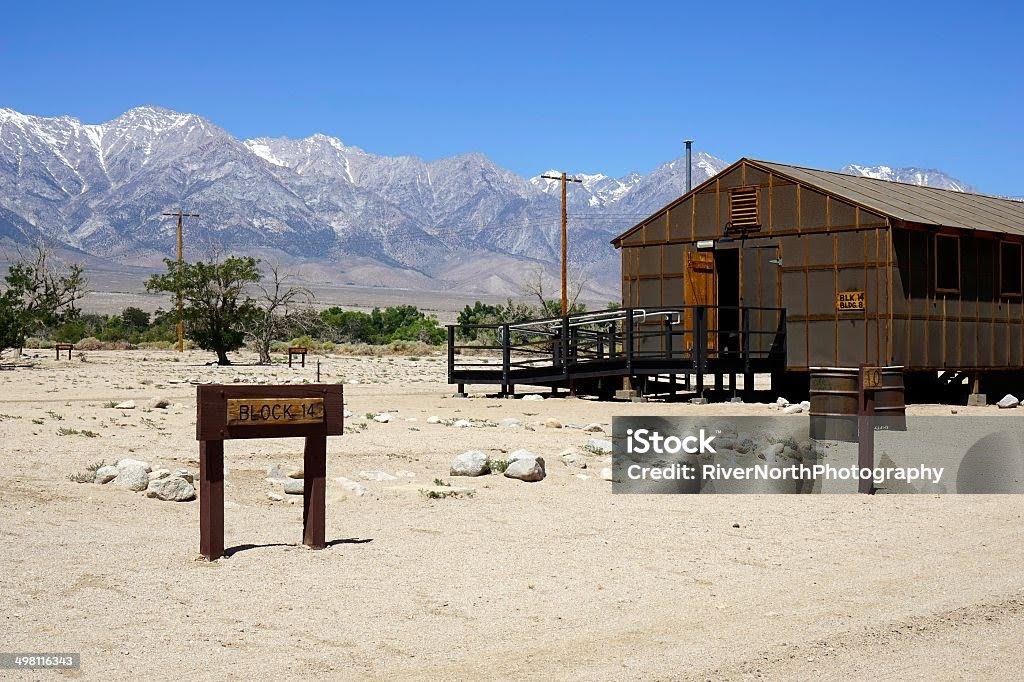
Throughout American history, Black communities were targeted again and again by design—through stripping them of promised land, fractional personhood, lynchings, denying VA benefits, creating sundown towns, redlining, blockbusting, and fabricating sentencing disparities between crack and powder cocaine. The so-called war on drugs was, in reality, a war on people, especially minorities, creating many nomads in their very own country during their Great Migration northward.
Today, the cycle repeats. We threaten and deport the very people we need the most right now—the ones who build our homes, repair our decks, harvest our crops, butcher our animals, and work in our restaurants. The ones who care for our parents, our children, and people with disabilities.
You don’t have to look back far to see your own nomadic cycle in the mirror. It’s often just a generation back in your family.
My grandfathers came from England and Italy. My grandmothers came from Nova Scotia and Finland. Our family tree has recent branches reaching into Colombia, El Salvador, Argentina, Israel, and Australia.
In just one generation, the wheel can turn completely. My mother-in-law fled Nazi Germany as a 14-year-old to the USA in 1937. Today, ironically, we have escaped a rapidly turning fascist country to make our home in a once-fascist country: Spain. We are using my mother-in-law’s German reparations to allow us to settle in the EU, in Spain, as new immigrants. In every single case, families sat around their kitchen table and said, “We need to go.”
We have yet to learn these lessons from history. Instead, we are doomed to repeat the negativity around the patterns of the nomadic loop
Everyone should have a plan B. Our own family history has proven time and again that those who had a plan survived and thrived. Those who didn’t were harassed, kidnapped, imprisoned, or murdered.
The borders change and the haphazardly created laws shift, but the underlying truth remains: We are all just a generation or two from being nomadic people, always just a moment away from having to pack a bag toward opportunity or away from danger.
Where did your family migrate from? If you had to go now… where would you go? Would you be welcomed?
Read Greg’s other Letters from Spain by searching Greg Cantori at Critical Conversations.




0 Comments