On Sunday evening, after a delightful holiday weekend, I learned of the sudden death of a 41-year-old friend. I couldn’t believe it. Numbness blocked my tears. I sat in shock.

Coming Together to Grieve and Heal
read more
Tom Adams
See our Resource Pages for additional information on each topic.
On Sunday evening, after a delightful holiday weekend, I learned of the sudden death of a 41-year-old friend. I couldn’t believe it. Numbness blocked my tears. I sat in shock.

Last week my post explored the power of gratitude and the simple act of making a gratitude list. I found myself paying attention to the many beautiful moments that brought me gratitude, and the more difficult moments that compete for my attention. This week’s post explores the connection between gratitude, family, and community.

Thanksgiving is a great time to reflect on gratitude and its relevance to daily life. I have had periods of my life where the word gratitude would make me angry and nauseous. Apologies – maybe that is a little dramatic. You get the point. Some years there didn’t seem to be much to be grateful for.

I am back from a trip to New York to continue research on Bill and Lois Wilson. My friend and colleague Joy Jones and I are writing a book about Bill and Lois Wilson and how their marriage changed the world. We have a working draft of the book. We are now in the tedious part of making sure the story makes sense, is accurate and advances our hopes in writing the book.
As a consultant who works with nonprofit organizations, I have a specific interest in succession and in seeing organizations becoming more equitable. A word that we often hear in this work is leadership. This word, for me, has some deep, almost ancestral resonance while at the same time making me a little uneasy.

I find myself appalled at the latest mass shooting in Lewiston, Maine. The horror of so many people innocently gunned down in a bowling alley and restaurant sends terror to my heart. I couldn’t help but think on the way to the store last night that no one is safe any place.
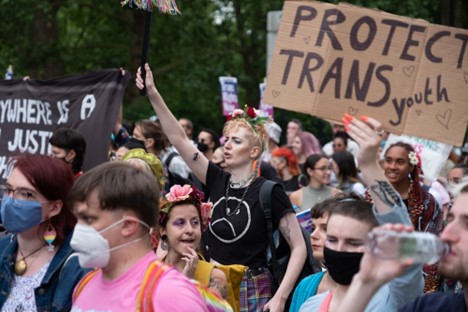
TJ Klune writes in “The House in the Cerulean Sea” about magical children who are segregated from society because their differences are seen as dangerous and in need of regulation and prescribed assimilation. Thomas Page McBee writes in Amateur, a memoir of his journey as a transgender male: “It is not easy to face the long shadow of assimilation in the United States, which is as old as the nation itself. It is so much a part of our national history to pretend to be what we are not in our striving that many of us no longer see what we have lost.”

About eighteen months ago, a new friend wished me “traveling mercies” as Geraldine and I were heading off on a trip. I had not heard the term before and wondered what she meant. At first, I thought it was a prayer for gentleness and compassion for self and traveling companions when the inevitable travel fatigue and resulting crankiness occur. But I came to appreciate that traveling mercies were more than that – they were graces or blessings that occur during travel. And they often remind us of how much love and grace there is in our life every day.
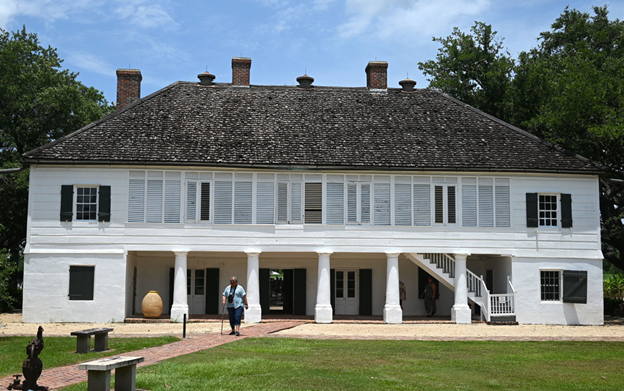
The Whitney Museum in southern Louisiana focuses extensively on the experience of enslaved people rather than glorifying the slave-owning “masters.” In this post, I want to share some of what my husband Henry and I learned from our tour guide about the experience for the enslaved community at this one of over 46,300 US plantations that were in existence in 1860.

Have you encountered the term “spaghetti lots” before? It’s a phrase I heard growing up in the North Valley of Albuquerque, New Mexico. It doesn’t refer to an abundance of pasta, but to the shape of land plots along the Rio Grande River (shown above), which runs like a backbone down the center of the state.
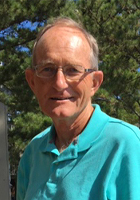 Tom Adams writes and speaks on topics vital to the intersection of our personal lives with our community and global lives. He has for decades been engaged in and written about nonprofit leadership and transitions, spirituality and spiritual growth, how we each contribute to a more just and equitable world and recovery from addictions and the Twelve Step recovery movement.