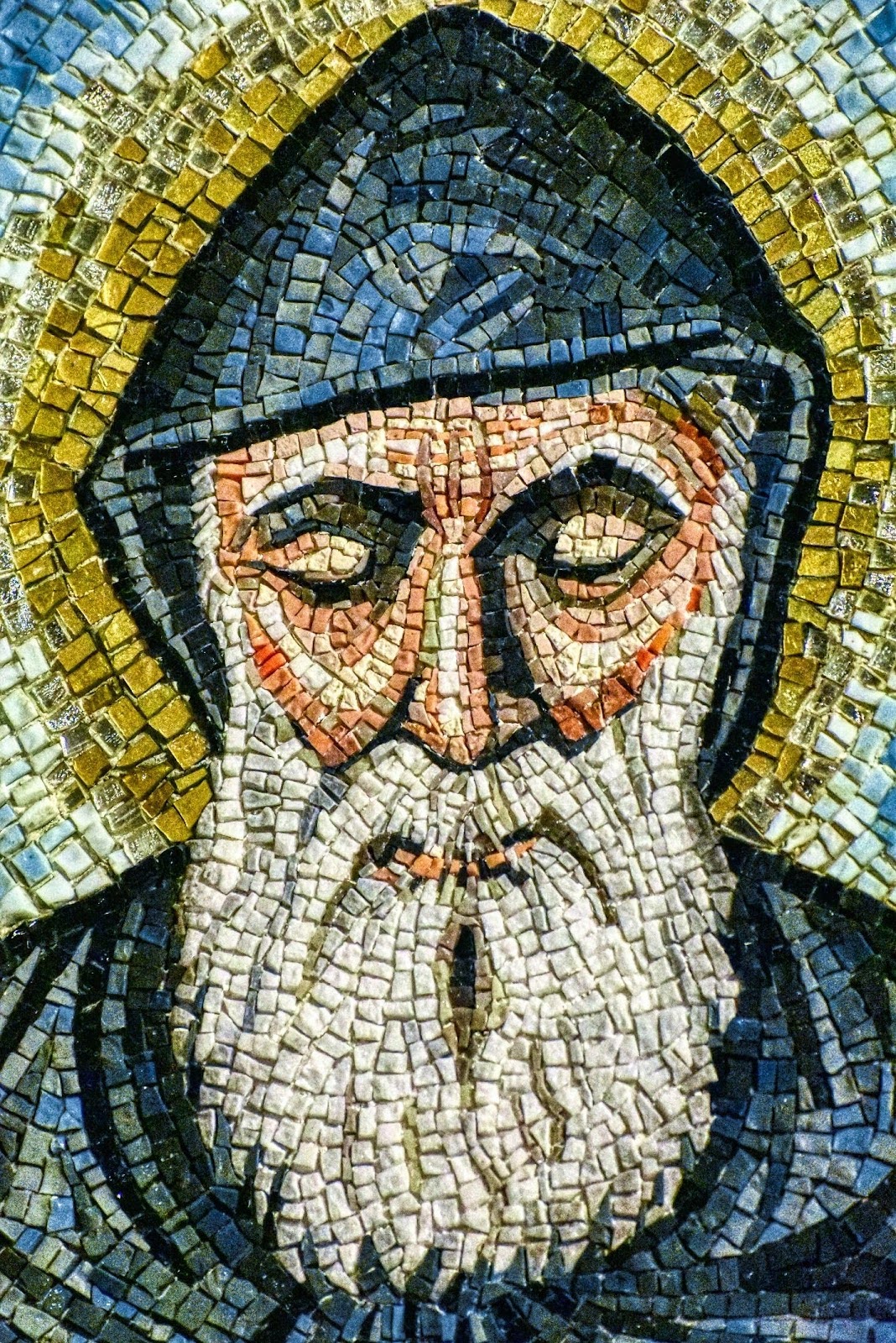
Today, many in the US and elsewhere pause to honor a Christian saint, St. Patrick. Faith is only part of the robust celebrations. People of all faiths and of none enjoy the parades, the celebrations, and the revelry that go with St. Patrick’s Day, a cultural as well as a religious holiday. My post today reflects on my experience of this special day and how it has helped shape my notions about heroes.
St. Patrick was a fifth-century Catholic missionary who helped spread Christianity across Ireland. He had a rough childhood; born in Roman Britain, he was kidnapped by Irish raiders and enslaved for six years as a teenager before eventually escaping. He returned to Ireland as a bishop and missionary and is credited with expanding the Catholic Church in Ireland. Like many heroes, there are many myths about him. One is that he drove the snakes out of Ireland – a story scholars doubt because there were no snakes in Ireland after the Ice Age.
Another story is about how he used the three-leaf clover to explain the Christian Trinity of Father, Son, and Holy Spirit. This idea continues to live as the three-leaf clover has become the symbol of St. Patrick’s Day.
More relevant to the topic of who our heroes are, St. Patrick is credited with writing one of the earliest written protests of enslavement and slave raiding on the Irish seas in his letter to British warlord Coroticus.
Persecution and oppression are part of the story of the people of Ireland. During the period of British rule and particularly the Tudor and Stuart monarchies, massacres, land confiscation and indentured labor were common.
The Great Irish Potato Famine from 1845 to 1852 resulted in 1 million people dying and over 1.5 million adults and children immigrating to the United States. The policies of the British government did nothing to address the famine or support the foodless Irish people. This influx of Irish immigrants helped transform St. Patrick’s Day in the United States into both a widely celebrated cultural holiday for many and a religious holy day for others.
St. Patrick’s Day in 2026 causes me to reflect on who my heroes are—and why. The bravado and callous bombing of Iran, the ruthless attacks on immigrants and refugees, and the support by far too many for our President and his allies remind me of how distorted our view of heroism can become. There is nothing heroic about starting or supporting wars. History shows us repeatedly that war rarely settles anything; more often, it is merely a precursor to the next war.
One of the reasons I remain involved with my Catholic faith, despite disagreement with some of its beliefs and practices, is the long tradition of different kinds of heroes. I enjoy being part of a tradition that values quiet and contemplation and celebrates mystics and people devoted to praying for others. My commitment to social justice is grounded in the actions of many heroes who stood up for social and racial justice over time. And my desire to learn how to accept and give love is strengthened and guided by the commitment of ordinary people who embrace love as the center of their lives and guiding compass.
St. Patrick was a hero to his people. St. Patrick’s Day invites more than celebration—it invites reflection on the kind of courage, compassion, and humility that make someone truly heroic.




Thanks, Tom, for telling us about Saint Patrick and the fact that he was one of the first to write against slavery. He also wrote a beautiful prayer, which among other things says: Jesus above me, Jesus love me Jesus around me, Jesus in front of me, Jesus behind me, etc.
I pray most days for some aspect of people who have been trafficked and often pray to him since he was a slave.
Thanks again,
Mary☘️🙏🍀
Thanks Mary, for your commitment to stopping slavery of all kinds! Enjoy the day!