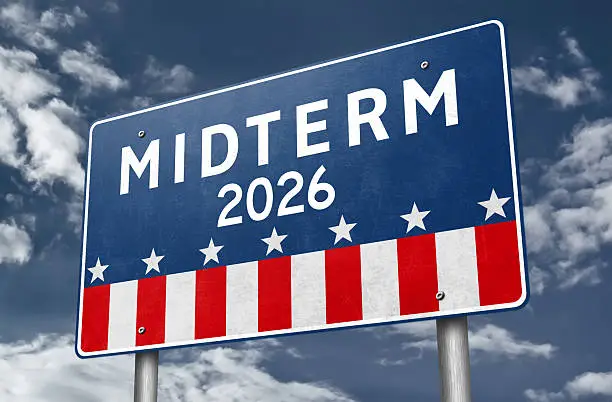
In less than a month, the 2026 midterm elections will be over. Are you ready? Are you asking yourself what is yours to do to use the elections to help restore civility and a commitment to freedom and justice for all to our local and national lives? I hope so, for everybody’s sake.
We need each other, and when we are divided, we are not living into our invitation and command to love one another. Our children and grandchildren and generations that follow will have a massive job ahead of them if we leave a world where greed and hate are making life more painful for too many.
This week’s post is about some simple choices we all have over the next month. How we each make these choices will influence the direction our nation and communities are heading. I am not naïve and don’t believe moving the chairs around and putting new people on the deck is going to magically change our culture and discourse. There is a long road of reconstruction ahead, as people in recovery from substance use problems tell each other.
This election is a stake in the ground, an opportunity to chip away at the mood and direction of our nation. What follows are some simple guides to decide how you want to participate in this year’s elections.
1) Will you vote?
My cousin Stef McGuire is a long-time activist in local and state elections and writes frequently on why to vote. In a recent article, she began with: “Many see voting as a right. Many see voting as an obligation. Many see voting as a waste of time. But do you see voting as a spiritual practice?” In another article, she encouraged nurses to see voting as an extension of their commitment to caring for others.
There are a lot of reasons to vote. You may have several. Decide to vote and then decide what else, if anything, you want to do to participate in the 2026 elections.
2) Are you prepared to vote?
Voting has become more complicated for positive and negative reasons. Make sure you learn about the voting calendar for your state – when early voting begins and ends, how mail-in voting will occur, what identification or other requirements apply, where you vote and the hours of your local polling place.
A useful starting point is VOTE411, the League of Women Voters Education Fund’s nonpartisan voter-information site. It can help you check your registration, see what is on your ballot, learn about candidates and ballot questions, and find your polling place.
Once you have a plan, check in with your children, grandchildren, friends and colleagues. Do they have a plan, too?
3) For whom will you vote? What other choices will you make?
We live in a hurried world. I have found myself knowing whom I will support at the top of the ticket but counting on information I get at the polls to decide about other races and issues. I have decided that doesn’t work for this election.
I am taking my cousin’s advice and getting educated about the candidates and issues before I go to vote. That includes looking beyond the most visible races to local offices and ballot questions.
Democracy needs all of us informed and awake!
4) Will I get involved in supporting candidates or ensuring a fair election?
It’s never too late to decide you’ve had enough of the current trends in how our nation and communities are governed.
There are many ways to participate beyond voting. You can learn more about candidates, attend a candidate forum, help a campaign, work with a nonpartisan voter organization or social justice/faith-based coalition, or serve as a poll worker.
Is this election your time to stay on the sidelines—or to get involved?
5) Will I financially support candidates or organizations?
Yes, I know this may be hard. Money is tight. And if you give a little, you are barraged with texts and emails asking for more and from a growing list of candidates. You are in charge of this and all choices related to the election.
Until we get campaign finance reform and make public funding available to candidates, candidates and campaigns have to aggressively seek financial support from a variety of other sources. I live in MD, which typically votes in support of Democratic candidates. Not all Democrats are the same. I have homework to do to decide whom locally I might support with a donation.
Nationally, you have likely seen one or more of the many lists of key Senate and House races. The Cook Political Report is one proven, independent list you might find helpful. Getting data on campaigns is a great start. It will take a little time to decide on your priorities for giving and to which campaigns. It is complex and worth it. Otherwise, Big Money and the oligarchy control our elections.
Most of us know most of this. Our duty then is to take our responsibility and privilege of voting seriously. We do that by devoting time to research candidates and other ballot issues and to decide whether and how we want to get involved. And to vote.
Democracy needs our attention—not just on Election Day, but also in the choices we make along the way.
What is yours to do?




Thank you, Tom. This is such an important election–though two years ago proved that all elections matter! I appreciate your clear and thoughtful suggestions for greater engagement.