
When I first began writing blog posts after George Floyd was murdered in 2020, I posted on Facebook and wrote about what was on my mind. A friend suggested I switch to my website and plan a weekly post. We discussed possible topics. I found it difficult to pick one focus. So, I chose four: Spirituality and Love, Racial Equity and Justice, Recovery and Growth, and Leadership and Leadership Transitions.
I called the blog Critical Conversations because I thought these were important and connected topics. They are also hard to have, easy to avoid in our current culture, yet essential to our growth individually and as a community.
Today’s post explores the connections between these issues as I have observed in recent events.
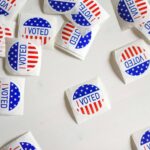
Let’s start with leadership, leadership transitions, and racial equity. The midterm election results offer a moment of hope amid what seems an endless series of decisions by our national leadership that bring pain and hopelessness to many people. For some, the results indicate a revolt against racism, greed, and corruption in government. For others, they reflect opposition to higher prices, wars, and unnecessary and cruel attacks on our neighbors.
The quality and number of new people going to the House and Senate offer a light of hope. The shift in conversation toward concern for all and kindness in how we treat each other is invigorating.
There is a major transition about to occur. Transitions have beginnings, in-between periods, and endings. In our system of government, one election immediately triggers attention to the next.
That leaves little time to work through the messiness of transition. Like a twilight zone, it is difficult to see where we are heading. Expectations for change are high. Ideas about the “right” issues and timing of changes are strongly held.
The relationships needed to build group consensus on a path forward aren’t yet in place. It’s a perfect time for leaders and followers to take a breath, lower expectations, and pray in whatever way one prays, for guidance on what is best for the majority. Without some kind of spiritual rudder, leaders will dig in, the people’s mandates will be ignored or handled in a way no one recognizes, and a hopeful opportunity will be squandered.
Many, I suspect, prayed for this change in leadership. I encourage us to continue praying for leaders who will listen, forge uncomfortable relationships and alliances, and aim to make modest gains over the next two years and create the possibility of more change after the 2028 election.
Another important connection during this transition is how we continue to advance racial justice and equity as a nation. The number of African American, Hispanic, and Native leaders elected is another sign of great hope. Voters saw beyond the overt and covert racism of Trump’s leaders and followers and voted for people they trusted to govern for all.
I was reminded of how far we still have to go to become a fair nation while watching the PBS NewsHour. In preparing viewers for its election coverage, the News Hour interviewed a senior manager at Associated Press at least 2 times; he was responsible for reviewing election results nationally and announcing winners when the data was conclusive. PBS wanted to assure viewers that there was science and integrity behind its victory announcements.
At one level, the interview was reassuring, given the accusations of voter fraud in recent elections. Yet both times I watched this five-to-seven-minute interview, I noticed that the staff shown in various pictures were nearly all white. This was perhaps not surprising in 1848, when the Associated Press was founded and began reporting election results. More shocking and discouraging was that this appeared to be true in photos of today’s large workforce devoted to this important task.
As I watched, I wondered why the leaders of PBS NewsHour didn’t see that this effort to reassure viewers would have the opposite effect on their viewers of color. Why would African American voters involved in heated and often race-based campaigns in Georgia or Mississippi have confidence in this white-dominated system? What about Hispanic or Native voters and candidates in Texas or New Mexico? Or Asian voters? Or candidates and voters of color across the country?
People of color are rightfully skeptical of empty promises. Our new Congress is challenged to build trust among all citizens in the short time before the next election. This requires an inclusive view of who they are elected to serve.
Transition times are full of possibility and potential pitfalls. We all gain when we talk about these challenging issues, pray, and work for justice, fairness, and patience about what is possible.



0 Comments